But This Time, It's Different.
Streaming changed how we listen. A renewed interest in physical music is changing how we collect.
For years, the music industry has been defined by convenience. Millions of songs, available instantly, anywhere, anytime.
But while streaming continues to dominate music consumption, another story is unfolding.
Consumers are rediscovering the value of physical music.
Vinyl records, CDs, limited editions, and collectible releases are attracting renewed interest. And increasingly, it's not just older generations revisiting familiar formats. Younger listeners are discovering the experience of collecting music for themselves.
The Numbers Behind the Comeback
According to the Recording Industry Association of America's 2026 midyear report, U.S. physical music revenue increased 25.9% during the first half of the year, reaching approximately $731.5 million.
CD revenue rose 58.6%, while vinyl revenue increased 17.7%.
Luminate's 2026 Midyear Report also documented growth in CD unit sales, reinforcing the broader resurgence of physical formats.
Consumer attitudes are shifting as well.
An October 2026 survey commissioned by the Royal Philharmonic Orchestra found that younger UK respondents showed considerable interest in collecting music on CDs, vinyl, and even cassettes.
These developments point to something beyond nostalgia.
Physical music is finding a new generation of consumers.
Access Changed Music. Ownership Made It Personal.
Streaming solved one of music's greatest challenges: access.
Listeners no longer need shelves of records or CDs to enjoy an extensive music library. Nearly everything is available through a smartphone.
But convenience doesn't replace every aspect of the music experience.
For generations, physical music represented something personal. Album artwork, liner notes, autographs, limited editions, and carefully organized collections gave listeners a tangible connection to their favorite recordings.
A record or CD wasn't simply a way to hear a song. It was something to discover, purchase, keep, and share.
That connection still matters.
Today's consumers may discover an artist through streaming, but that doesn't mean they don't want something physical to represent the music they love.
Streaming provides access. Physical music creates a collectible experience.
Physical Music Is Evolving
The resurgence isn't limited to traditional formats.
New technologies are introducing physical music products designed for a generation accustomed to instant digital access.
Smart Media Albums and NFC-enabled Music Cards combine collectible artwork with digital playback, allowing listeners to access recordings using a smartphone.
The concept is straightforward: a physical product that connects directly to the music.
Luminate's introduction of Smart Media Albums as a recognized physical product format in 2026 reflects the industry's growing interest in these emerging alternatives.
For artists, these formats create new opportunities for merchandise, direct-to-fan sales, exclusive releases, and collectible editions.
For consumers, they offer another way to build a music collection without sacrificing convenience.
From Streaming to Collecting: The TuneTaps Approach
Among the companies developing this category is TapTunes®, which has been producing NFC and QR-enabled Smart Media Music Cards since 2023.
Its consumer retail platform, TuneTaps.com, brings that technology directly to music buyers.
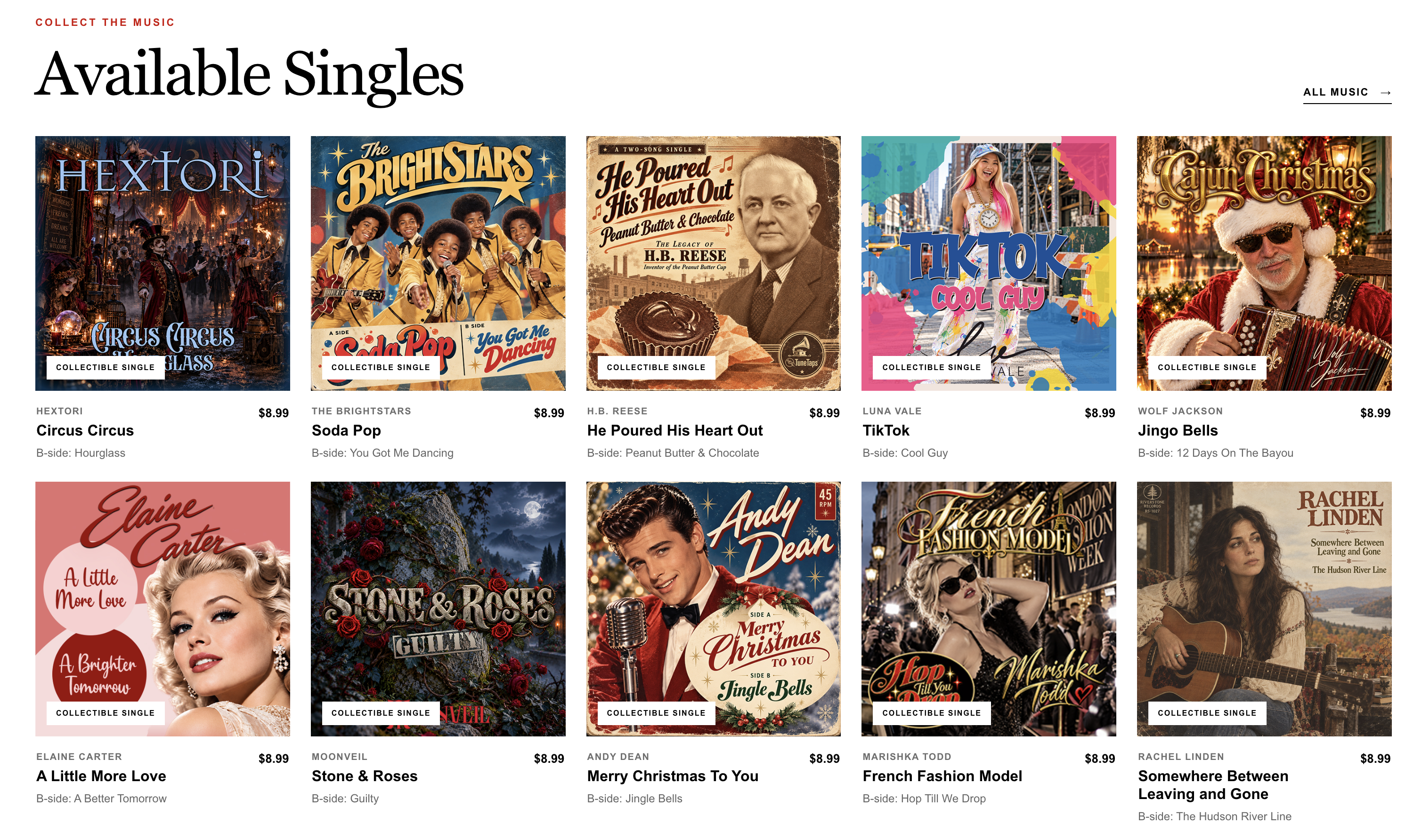
The growing catalog includes collectible albums and two-sided singles spanning multiple genres, from rock and country to pop, blues, holiday music, and nostalgic recordings.
Each release combines physical artwork with access to music through the proprietary TapTunes Player.
No additional app, download, or login is required. Listeners simply scan or tap their Music Card with a compatible smartphone.
It's a different approach to physical music, one that brings together the experience of collecting and the convenience of digital listening.
Music Deserves More Than a Link
Streaming isn't disappearing, nor does the resurgence of physical music suggest that it should.
The two experiences serve different purposes.
Streaming makes music accessible. Physical formats give fans something tangible to connect with, collect, display, and remember.
The latest sales figures suggest there is room for both.
And as new formats enter the marketplace, the definition of a physical music collection is expanding.
The next chapter of physical music may not be about returning to the past. It may be about taking what listeners have always loved about collecting and making it relevant for the future.
For consumers interested in exploring that next chapter, collectible Smart Media Albums and Music Cards are available at TuneTaps.com.
Physical Music. Instant Access.
Industry references: Recording Industry Association of America, 2026 Midyear Revenue Report; Luminate, 2026 Midyear Report; Royal Philharmonic Orchestra, October 2026 consumer research